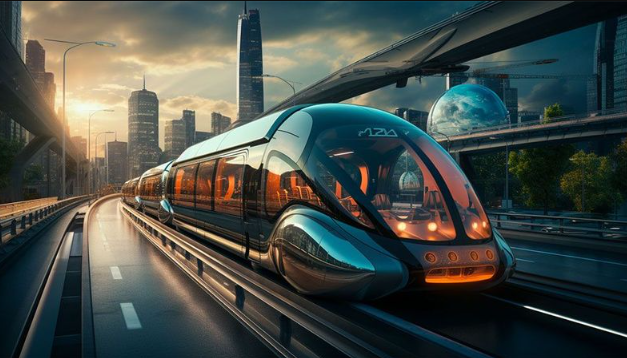
Imagine a world where traffic accidents are almost non-existent, and your car can drive you home when you’re too tired to focus on the road. Well, that’s not science fiction anymore. Self-driving cars are becoming more of a reality each day. With companies like Tesla, Waymo, and even traditional automakers like Ford and GM diving into this technology, it’s clear that autonomous vehicles are here to stay.
The technology behind self-driving cars is fascinating. These vehicles rely on a combination of sensors, cameras, radar, and artificial intelligence to navigate the roads. They map out their surroundings in real-time, making decisions on the fly just like a human driver would. But unlike humans, these systems don’t get distracted by a text message or a catchy tune on the radio. It’s like having the most focused driver ever behind the wheel, all the time.
Of course, there are still challenges to overcome. The road to fully autonomous vehicles is riddled with legal, ethical, and technical hurdles. But the benefits could be enormous. Think about reduced traffic congestion, fewer accidents, and more efficient use of fuel. Plus, the freedom for those who can’t drive due to age or disability is life-changing. It’s an exciting time for transportation, and we’re just at the beginning of this journey.
Smart traffic systems for smoother commutes
Ever been stuck at a red light with no other cars in sight? Frustrating, right? Smart traffic systems aim to eliminate these inefficiencies by making our commutes smoother and more predictable. These systems use real-time data from various sources—like cameras, sensors, and even smartphones—to manage traffic flow dynamically.
For instance, adaptive traffic signals can change their timing based on current traffic conditions rather than sticking to a fixed schedule. This means less time idling at red lights and more time getting where you need to be. And it’s not just about cars; smart traffic systems can also prioritize public transport and emergency vehicles, ensuring they move through intersections quickly and safely.
But there’s more to it than just smarter traffic lights. Imagine a network of smart highways where real-time information is shared between vehicles and infrastructure. Your car could receive updates about road conditions ahead or even reroute you to avoid congestion altogether. It’s like having a personal traffic assistant guiding you through your commute. The goal is to create a more efficient, safer, and less stressful driving experience for everyone.
See also: How Technology Secures Online Transactions
Public transport gets a high-tech upgrade
Public transport has long been the backbone of urban mobility, but let’s be honest—it hasn’t always kept up with the times. However, that’s changing rapidly as cities around the world invest in high-tech upgrades to their public transport systems. From contactless payment systems to real-time tracking apps, modern technology is transforming how we use buses, trains, and subways.
Take contactless payment systems, for example. Gone are the days of fumbling for change or buying paper tickets. With just a tap of your smartphone or contactless card, you can breeze through turnstiles and hop on board. It’s not just convenient; it also speeds up boarding times and reduces lines, making public transport more efficient overall.
Real-time tracking apps are another game-changer. These apps provide up-to-the-minute information on bus and train arrivals, helping commuters plan their journeys better. No more guessing when the next bus will arrive or standing in the rain waiting for it to show up. You can even receive alerts about delays or disruptions, allowing you to adjust your plans on the fly.
Drones and ai for safer skies
The skies are getting busier every day, not just with planes but now with drones too. Managing this increasingly crowded airspace requires advanced technology—and that’s where drones and artificial intelligence (AI) come in. These technologies are revolutionizing aviation safety by providing new ways to monitor and manage air traffic.
Drones have proven invaluable for tasks that were once dangerous or difficult for humans. They can inspect infrastructure like bridges and power lines or survey disaster-stricken areas safely and efficiently with vehicle inspection equipment. But as more drones take to the skies, ensuring they don’t interfere with manned aircraft becomes crucial. That’s where AI comes into play.
AI-powered systems can analyze vast amounts of data in real-time to predict and prevent potential collisions in the sky. They can coordinate drone flights to ensure they operate safely within designated airspace while avoiding restricted zones like airports or military installations using an advanced explosive detection system. It’s like having an air traffic controller specifically for drones—making our skies safer for everyone.
In summary, whether it’s self-driving cars on our roads or drones in our skies, technology is reshaping how we move around the world. These advancements promise not only greater convenience but also enhanced safety and efficiency. As we embrace these changes, one thing is clear: the future of transportation is bright—and it’s already here.