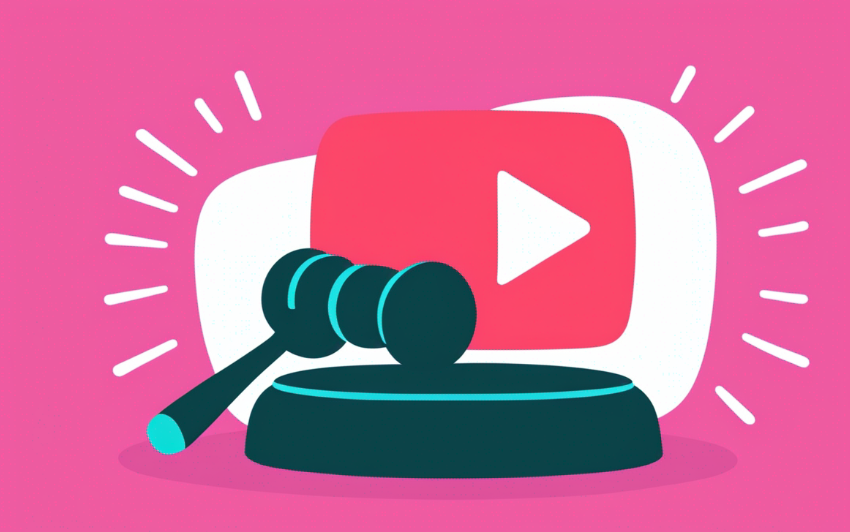
As online video has become a primary source of music, lectures, and entertainment, many users wonder what is legally allowed when converting audio. The confusion comes from the overlap between technology capability and legal permission. Just because something can be done technically does not always mean it is permitted under the law.
Understanding What the Law Actually Regulates
Laws generally do not target the act of conversion itself. Instead, they focus on copyrighted content and how it is used. Copyright law protects the rights of creators to control reproduction, distribution, and adaptation of their work. When audio is taken from a video, the key legal question becomes: What rights does the user have to that content?
Ownership vs Access
A common misconception is that access equals ownership. Watching or listening to content online usually grants access, not ownership. Converting audio creates a copy, which is a legally significant action. Whether that copy is lawful depends on how the content is licensed and how the copy is used afterward.
See also: How Technology Shapes Online Communities
Personal Use vs Distribution
In many regions, personal use is treated differently from redistribution. Keeping a converted audio file for private listening may fall into a legal grayarea; while sharing or selling it clearly raises legal concerns. The risk increases significantly when copies are distributed beyond personal use.
The Role of Copyright Exceptions
Some countries recognize limited exceptions such as private copying or fair dealing. These exceptions vary widely by jurisdiction and are often narrow. They do not automatically apply just because a user employs a simple YouTube music converter for non-commercial reasons.
Terms of Service vs Law
Another layer of complexity comes from platform terms of service. Violating terms is not always the same as breaking the law, but it can still carry consequences such as account restrictions. Legal compliance and contractual compliance are related but distinct issues.
Educational and Non-Commercial Contexts
Users often assume that educational or non-profit intentions automatically make conversion legal. While context matters, intent alone does not override copyright protections. Permission, licensing, or statutory exceptions must still apply.
Why Laws Differ by Country
Copyright law is not universal. What may be tolerated in one country could be restricted in another. International users should be cautious about assuming a single global rule applies to all situations.
Reducing Legal Uncertainty
Understanding the basics of copyright ownership, usage rights, and distribution limits helps reduce risk. The safest approach is awarenessknowing when content is licensed for reuse and when it is not.
A Simple Way to Think About Legality
Using a simple YouTube music converter is not automatically illegal, but it is not automatically legal either. Legality depends on the nature of the content, the user’s rights, and how the resulting audio is used. When users focus on respecting creators’ rights and understanding local laws, they are far less likely to encounter legal problems.