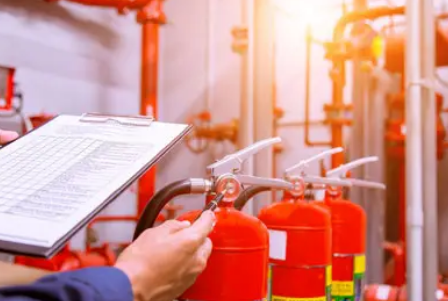
Fire safety is a crucial aspect of any organization or establishment. A well-executed fire risk assessment can save lives, protect property, and ensure compliance with legal regulations. Understanding the roles and responsibilities involved in fire risk assessment is key to creating a safe environment for employees, visitors, and residents.
What is Fire Risk Assessment?
A fire risk assessment is a systematic process of evaluating potential fire hazards, identifying risks, and implementing measures to minimize the likelihood and impact of fire incidents. It involves analyzing the premises, the materials present, the activities conducted, and the people at risk. The goal is to prevent fires and ensure quick, safe evacuation if a fire occurs.
Key Roles in Fire Risk Assessment
Several individuals and groups play a critical role in the fire risk assessment process. Assigning clear responsibilities ensures that no aspect of fire safety is overlooked.
1. Fire Safety Officer / Responsible Person
The responsible person is the individual legally accountable for fire safety within an organization. Their duties include:
- Conducting or commissioning fire risk assessments.
- Implementing fire safety measures.
- Ensuring fire safety equipment is maintained and functional.
- Training staff on fire safety procedures.
This role is often held by the facility manager, safety officer, or building owner, depending on the organization’s structure.
2. Fire Risk Assessor
A fire risk assessor is a professional tasked with evaluating fire hazards and determining the level of risk. Their responsibilities include:
- Inspecting the premises for fire hazards.
- Identifying people at risk, including employees, visitors, and vulnerable individuals.
- Recommending measures to reduce risks, such as fire detection systems, emergency exits, and safe storage of flammable materials.
- Documenting findings in a comprehensive report.
The assessor can be an in-house employee with training or an external consultant.
3. Employees and Staff Members
Fire safety is not the responsibility of management alone. Every employee has a role in fire prevention and emergency preparedness:
- Being aware of fire hazards in their workplace.
- Following fire safety procedures and evacuation plans.
- Reporting potential fire risks or unsafe conditions.
- Participating in fire drills and safety training sessions.
Engaged staff contribute significantly to reducing fire risks and ensuring swift action during emergencies.
4. Maintenance and Facilities Teams
The maintenance team ensures that equipment and systems related to fire safety are functional and compliant:
- Checking fire alarms, extinguishers, sprinkler systems, and emergency lighting regularly.
- Repairing or replacing faulty fire safety equipment.
- Maintaining clear access to fire exits and escape routes.
Their proactive role ensures that fire protection systems are reliable when needed.
5. External Fire Safety Agencies
In some cases, external authorities or fire safety organizations may be involved:
- Conducting inspections and audits to ensure compliance with legal fire safety requirements.
- Providing expert advice on fire prevention measures and emergency preparedness.
- Offering specialized training programs for staff.
Collaboration with external agencies can enhance fire safety awareness and preparedness.
Responsibilities in Fire Risk Assessment
Fire risk assessment responsibilities are spread across different levels of an organization, ensuring a comprehensive approach to fire safety.
Risk Identification
- Spotting potential ignition sources such as electrical equipment, heating systems, or flammable materials.
- Identifying areas where fires could start or spread rapidly.
Risk Evaluation
- Assessing the likelihood of a fire occurring.
- Determining the severity of potential consequences, including injury, property damage, and operational disruption.
Risk Control Measures
- Implementing preventive measures such as fire-resistant materials, automatic suppression systems, and safe storage practices.
- Establishing emergency evacuation plans and clearly marked escape routes.
Monitoring and Review
- Regularly reviewing fire risk assessments to account for changes in premises, processes, or staffing.
- Conducting drills and testing fire alarms and equipment.
- Updating training programs to reflect new risks or safety regulations.
Legal Obligations
Organizations must comply with local fire safety laws, which often mandate that a responsible person carry out fire risk assessments and implement necessary precautions. Failure to comply can lead to fines, legal action, or severe consequences during a fire emergency.
Read Also: How Technology Secures Online Transactions
Conclusion
A fire risk assessment is not a one-time task but an ongoing process that requires the active involvement of multiple stakeholders. Clear allocation of roles and responsibilities ensures that fire hazards are identified, risks are managed, and everyone knows what to do in case of an emergency. By understanding these roles and fostering a culture of fire safety, organizations can protect lives, property, and operations effectively.
FAQs
1. Who is responsible for fire risk assessments in a workplace?
The legally responsible person, often the facility manager, building owner, or safety officer, is responsible for ensuring fire risk assessments are conducted and safety measures are implemented.
2. How often should fire risk assessments be conducted?
Fire risk assessments should be reviewed at least annually or whenever there are significant changes to the building, processes, or personnel.
3. Can employees refuse to follow fire safety procedures?
No. Employees are legally required to follow fire safety procedures. Non-compliance can put themselves and others at risk.
4. What training is required for staff regarding fire safety?
Staff should receive fire awareness training, including hazard recognition, evacuation procedures, and proper use of fire extinguishers.
5. Are external fire safety consultants necessary?
While not always mandatory, external consultants provide expert guidance, especially for high-risk premises, and help ensure compliance with legal standards.
6. What happens if fire safety responsibilities are ignored?
Ignoring fire safety responsibilities can result in legal penalties, increased risk of injury or death, and significant property damage in the event of a fire.